

Texas hunters could have another option when it comes to searching out leasable hunting land.
The Texas General Land Office (GLO) is responsible for the oversight and management of Permanent School Fund (PSF) Land which is held and managed in a trust for state public education. Within the Texas GLO, the Leasing Operations Division is responsible for the leasing, inspection, and management of the PSF estate. Leasing activities provide revenue generation for the PSF through the prudent use and protection of the state’s natural resources. One area of emphasis the GLO Leasing Operations Division oversees includes the management of surface leases for hunting on PSF lands.
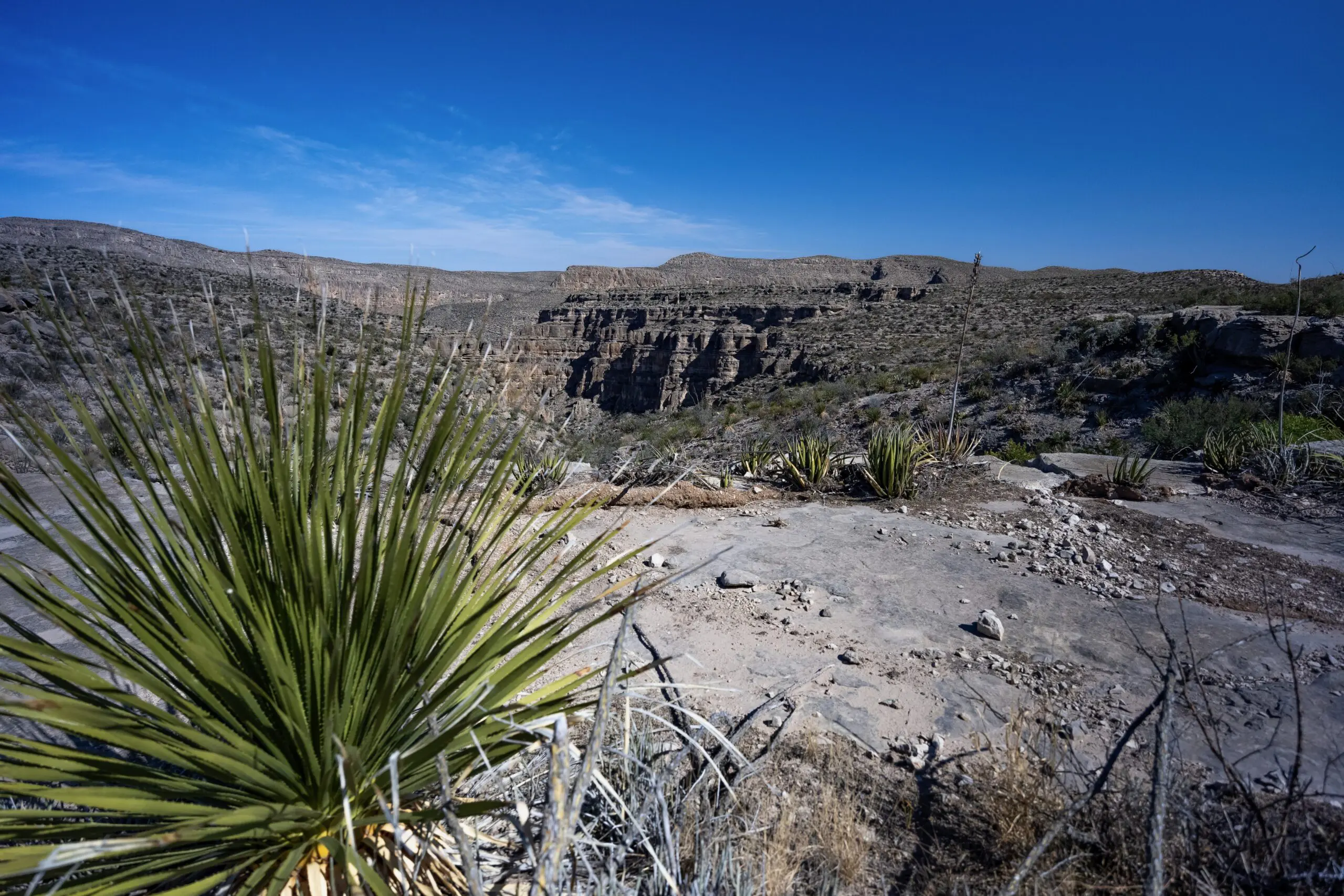
According to the Texas GLO Senior Director of Communications, Kimberly Hubbard, PSF tracts for leasing consist of nearly 1 million acres spread throughout the state. The majority of this acreage lies out west, within the Trans Pecos region of the state.
Folks can explore PSF land leases by using the GLO’s GIS Land and Lease Mapping Viewer that is located at the GLO Website.
“This is a useful tool for discovering PSF lands,” Hubbard said. “It’s a great way for the public to become more familiar with the properties. Lands and leases are generated using the Upland & Coastal Easements/Permits layer. The tutorial provided on the website can help folks navigate and enjoy the information that is available here.”
Hubbard said hunting leases through the GLO on PSF lands generally run in 5-year terms. They are typically renewed if the lessees prove to be good stewards of the lands and promptly pay the annual negotiated lease fee.
“Our leases tend to follow market rates,” Hubbard said. “We also take into consideration the amenities available, ease of access, size of the property, and base the value on a per acre basis.”
Hubbard said the range of hunting lease fees can vary. Some areas in West Texas may go for less than $1 per acre, while south Texas properties could range from $15 to 20 per acre. She said East Texas properties are usually around $10 or so per acre, but that the rate is rapidly increasing to keep up with high demand.
“The GLO does not keep a list of lands to be leased, as most lands currently stay leased,” Hubbard said. “Occasionally, properties will become available. When feasible, these lands may be open for sealed public bid. This is typically announced through information listed on the GLO website, as well as through advertisements of the bid opportunity in newspapers in the largest metropolitan areas of the state.”
If a property becomes open for bidding, Hubbard said it is generally available for public viewing for two days during the week.
“Additionally, GLO Leasing Operations will review all the interested party forms submitted that indicated interest within that specific region of the PSF lands,” Hubbard said.
The interested party form for the leasing of state surface land can be found on the GLO website: https://www.glo.texas.gov/sites/default/files/resources/glo/land/land-management/forms/_documents/professional-services/Form_parties_interested_in_leasing_PSF_lands.pdf, along with the surface lease application form.
“All of the tracts that are subject to be leased for hunting purposes are considered PSF Lands,” Hubbard said. “The majority are sovereign lands that never left state ownership; however, the GLO has acquired properties through land trades and purchases over the years.”
Royalties from the lease of these lands contribute substantial revenues to the PSF, which helps fund public education across the state. Hubbard said the GLO generated over $16 billion for the PSF between 2013 and 2022.
Texas Land Commissioner, Dawn Buckingham, M.D., said that the GLO oversees and manages around 1 million acres of surface landed dedicated to the PSF, with land tracts in over 125 counties across Texas.
“I am committed to generating new revenue for the PSF, which benefits all school districts across this great state,” Buckingham said. “One way the GLO upholds this statutory obligation is by issuing surface leases for grazing, hunting, crop production, recreation, timber management, and some commercial purposes. Whether hunters are preserving generational traditions, farmers are growing food for our families, or Texans are enjoying the great outdoors, I am always searching for innovative ways to ensure state-owned land benefits our schoolchildren and their futures.”
