

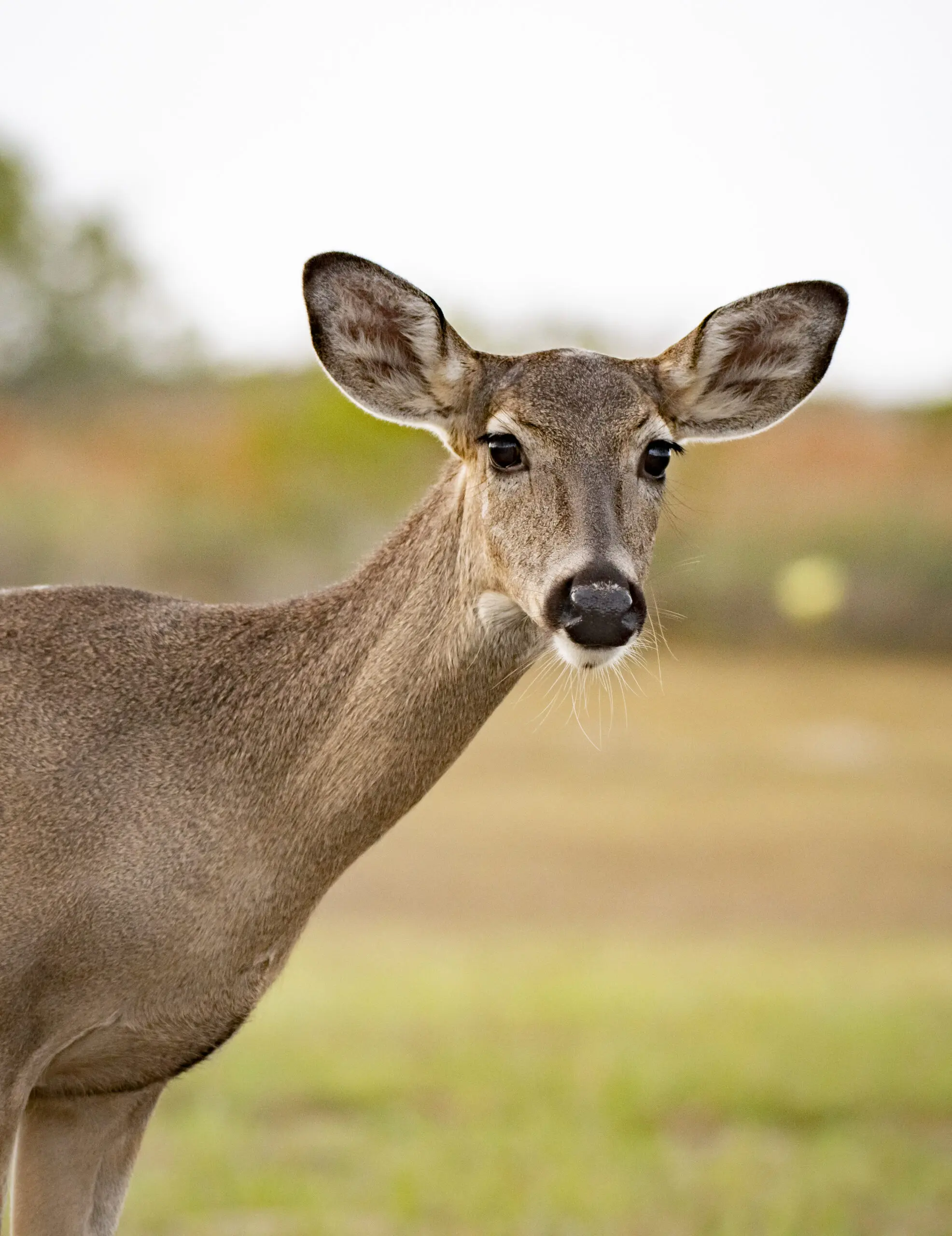
Five does.
Sounds easy.
We had three days until the end of the MLDP Texas deer season. The Stonewall County ranch had almost filled its quota for the year, but five remained to officially close the books on the biologist-recommended number of deer that needed to be removed for the season.
For the past month, hunters had targeted and taken does. Many coolers had left the ranch full of the finest, organic venison one could eat. Even more coolers had gone to the loading docks at Kuby’s in Dallas to be donated to programs to give less fortunate folks venison to fill their freezers.
But five remained. And the weather wasn’t helping. Soaring, unseasonal temperatures reached into the 90s. Deer movement was slow. Even slower for the mature does we were targeting.
The mornings and evenings saw a similar routine. Button bucks and first-year fawns appeared first. Then several young bucks. Then more mature deer, several already having dropped their antlers and looking like oversized does. We had to be careful and selective. Any mistakes made, while not the end all be all, would be punished with stories to be told throughout the future while laughing at the offender around campfires. Nobody wanted to be that guy, so every deer was analyzed to make sure it was of the right sex.
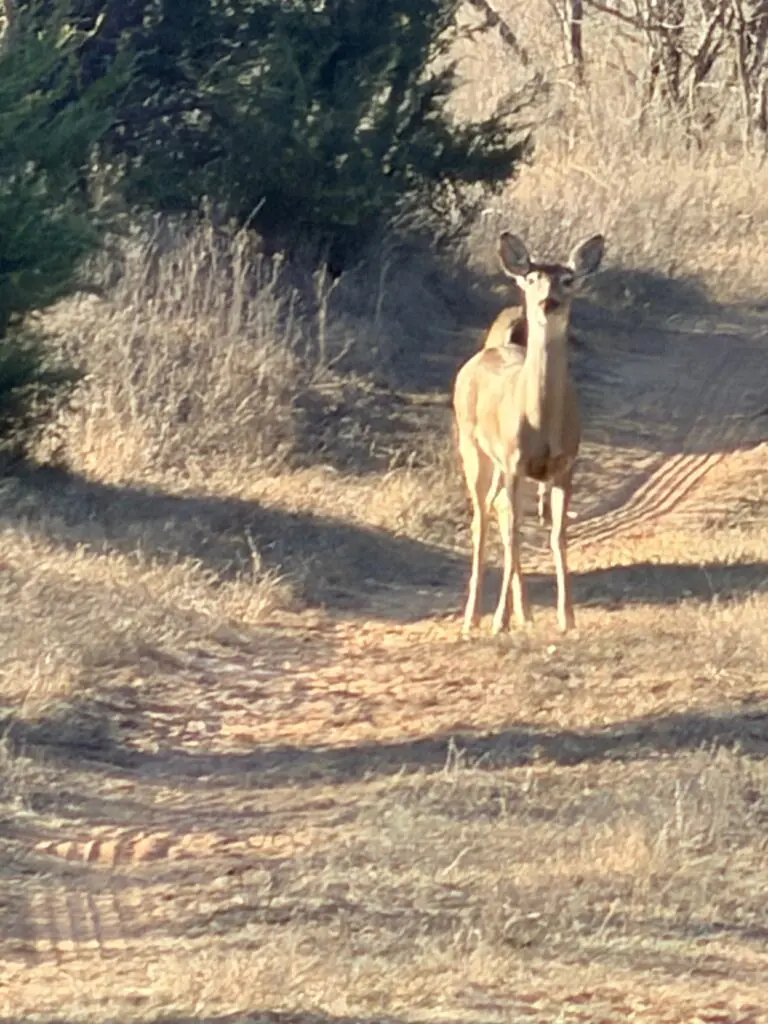
The few does that did make an appearance would do so painfully slow and cautious. While numerous deer fed and milled about, with multiple bucks still drooling, lip curling and chasing fawns in and out of the brush, the old does would hover behind cover, carefully studying the blind for any signs of movement. Very cautiously, they would step out, always careful to have another deer between themselves and the blind.
After an unsuccessful afternoon, the first doe was taken the next morning. The deer was quickly skinned and quartered, and that afternoon, doe number two was down. Deer number three should have been down, but buck fever gripped one hunter on a sickly-looking forkhorn that was on the list to cull, and a shot was pulled wide. He received no ribbing for that miss the rest of the trip (yeah right).
The second morning saw lots of action for most of the hunters, with a big flock of turkey putting on a show at one blind where more gobblers were sounding off, fighting other Toms to establish dominance and strutting in the dusty fields. It won’t be long now until it is time to chase those longbeards, but they are ready to go and fired up for breeding season already.
At another blind, more than 10 bucks milled around with no does. Finally, as the bucks moved off later in the morning, a lone doe tiptoed into the sendero, looking like an owl as she moved her neck around trying to see the hunter in the blind. She finally relaxed and turned broadside. Three down, two to go.
An old, broken-horned bull oryx was spotted on the drive to check traplines along the ranch perimeter after breakfast, and a quick plan was made to get closer. The herd of oryx moved into an open area, and the hunters were able to close the distance. A quick check to make sure the right bull was targeted, and the hunter made a solid shot, followed up by two more as the oryx tried to regain its footing. Scimitar-horned oryx are tough animals, and this bull was no exception. A hard-earned trophy that will make a fine European mount and more meat for the coolers.
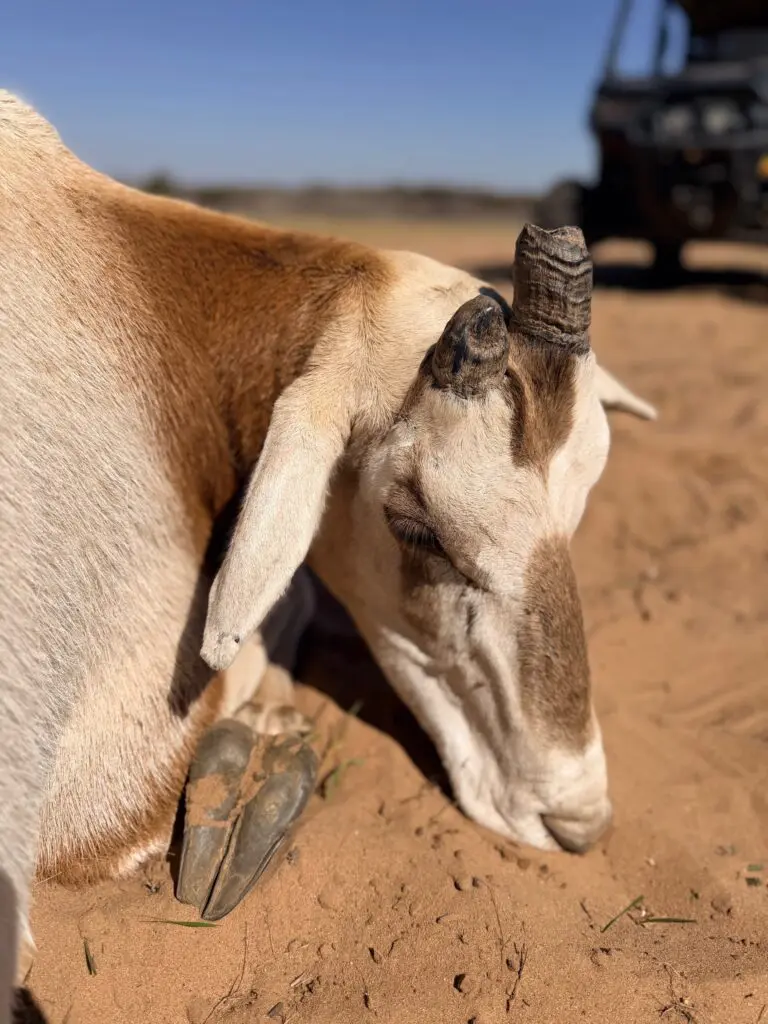
The skinning rack was a busy place as the oryx deer were broken down, tags filled and signed and meat placed into the walk-in cooler ready to be transported home.
The final afternoon was a brutal hunt, with temperatures in the blind soaring to close to 100 degrees. But the hunters stuck it out. The deer were smarter, however, and the does remained elusive. We should have gone to a stock tank for a swim.
The season came to end a few deer short of the overall objective, although removing the oryx from the herd helped balance the numbers. Game management is a necessary part of being good stewards of the land, and the remaining animals and habitat will benefit from the removal of a few.
Like most areas of Texas, that portion of the state needs moisture. It is going to be a rough summer if we don’t get some rain. The quail populations remain solid, and a good rain would help them survive the coming months, as well.
Who is ready for spring turkey?
