

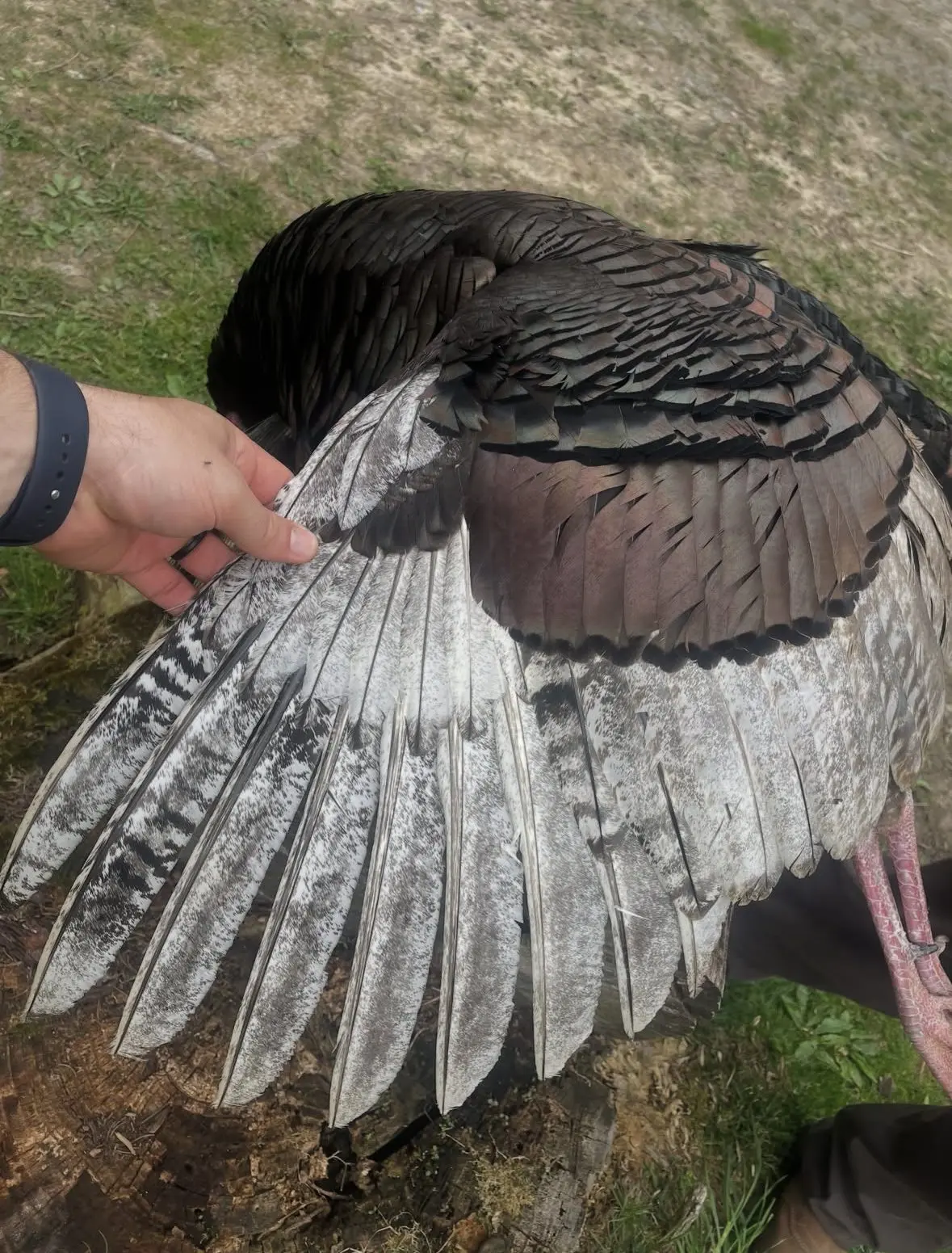
Like humans with different hair color, wild turkey populations with different colored feathers can thank genetics.
Biologists are studying these genetics in wild turkey populations to determine where the traits come from and how they can help researchers monitor overall population health and reproductive viability.
Phil Lavretsky is the director of the Population and Evolutionary Genetics Lab, also known as the Lavretsky Lab, at the University of Texas at El Paso, where an ongoing study focused on wild turkey DNA and genetics, coined wildturkeyDNA, is taking place.
The Lavretsky Lab has partnered with Dr. Mike Chamberlain, the National Wild Turkey Federation distinguished professor at the University of Georgia School of Forestry and Natural Resources and founder of the Wild Turkey Lab, along with the NWTF, Ducks Unlimited, and the Low Country Game Bird Foundation, to conduct research to determine if turkeys possess genetics from domestic birds, or if they are 100% wild.
“This research began after Chamberlain and I had a conversation about the various and unique types of plumages we were seeing in turkeys being harvested across the country,” Lavretsky said. “We basically wanted to figure out if these birds might be some sort of domesticated cross or hybrid turkey, or basically the product of a wild turkey breeding with some sort of domesticated turkey at one point in time.”
Lavretsky said the study began during last year’s turkey season, when they gathered about 100 samples from odd looking birds that were thought to be from the various subspecies of wild turkey found in the USA.
“After we started getting samples in, we quickly realized just how complex turkey genetics are,” Lavretsky said. “This is likely a result of all the translocations that had been done over the years between subspecies of wild turkey in the United States, in efforts to supplement or restock populations in certain areas where the birds were becoming scarce. But what we are also picking up, is that the way we did things, or perhaps other dynamics like loss of habitat, appears to be resulting in a lot of inbreeding. And now we want to know what is actually happening out there, and how we can better inform conservation actions.”
The ongoing study has ramped up its sample gathering process during this spring’s turkey season. According to Lavretsky, they have currently gathered approximately 1,000 additional samples from turkey all over the country, including 150 or more from Texas. His hope is that by the end of this spring, they will have gathered a total of 2,000 samples or more.
Lavretsky said the samples they are receiving have been from state agencies or donated by hunters. State agencies have been providing blood samples from birds they have captured for monitoring, and hunters have been providing tongue samples of turkeys they have harvested through the wildturkeyDNA program.
“Our goal now has become to not only get samples of birds with odd plumage, but rather to gather as many samples from birds from every state with wild turkey,” Lavretsky said. “We really want to take a hard look at what types of turkey are actually inhabiting the landscape across the United States.”
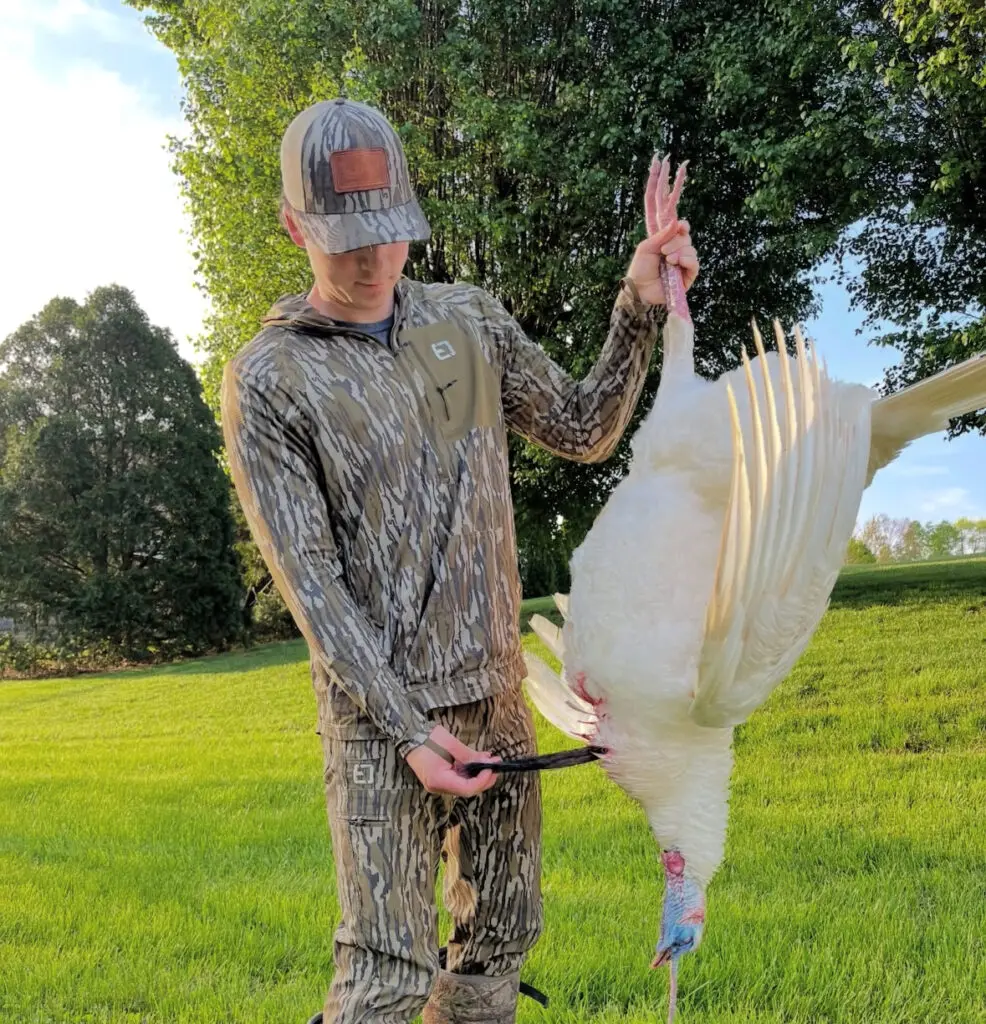
Lavretsky said determining the types or subspecies of wild turkey that are being found in specific areas across the country could help state agencies better manage turkey populations and their habitat.
“Different subspecies of turkey have different needs,” Lavretsky said. “If we can determine what types of turkey we have in different places, then we can better reconnect and manage these populations, to ensure the future of these awesome birds.”
One interesting discovery that has been made during the study’s research so far, is that turkeys containing white feathers, feathers lacking pigment, or smoke phase and red phase birds, are evidence of high inbreeding within a specific area’s population of birds.
“The majority of white birds or smoke phase birds that we have received samples of have actually been genetically wild birds,” Lavretsky said. “This could be an indicator of the health of specific populations of turkey, which could basically point to a lack of genetic diversity for that specific group of birds.”
