

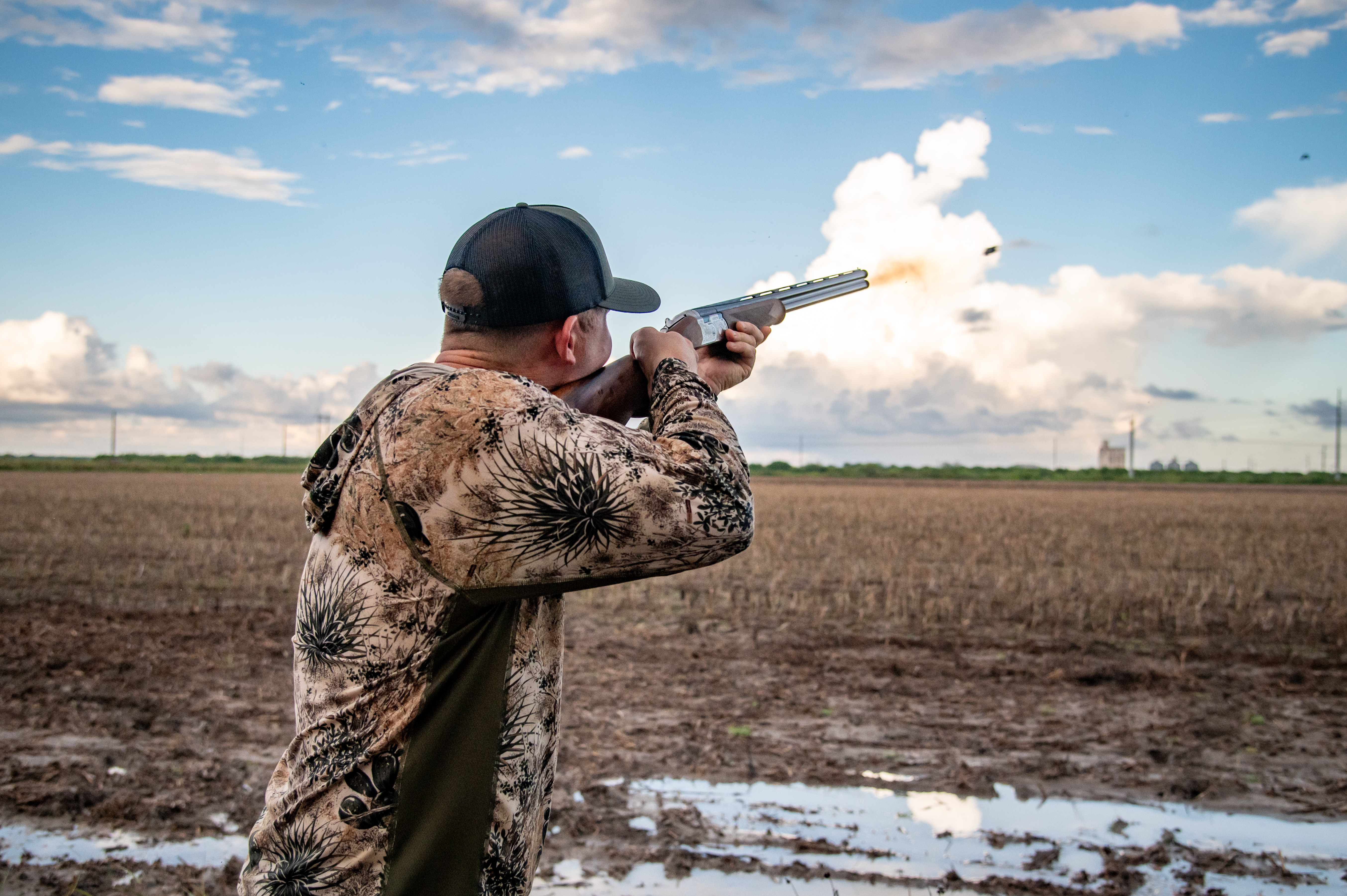
TPWD Webless Migratory Game Bird Program Leader Owen Fitzsimmons said this season marks the third year in a row that dove numbers for both mourning and white-winged dove are in excellent shape.
“This year ranks right up there as one the best years we have seen over the past two decades in regard to pure dove population numbers,” Fitzsimmons said. “We are sitting at around 37 million mourning dove, statewide. Last year, that number was around 36 million, and the only other year within the last 20 that experienced a higher number of mourning dove was 2016 with 37.5 million.”
Speaking about white-winged dove, Fitzsimmons said the statewide population is estimated at about 13 million birds. This number is slightly elevated from last year and represents an all-time high for Texas.
“These phenomenal dove population numbers are a direct result of timely rains and excellent range conditions,” Fitzsimmons said. “The birds had a successful nesting season, and all variables are pointing towards another successful season for dove hunters across the state.”
According to TPWD District 5 Senior Biologist Evan McCoy, mild temperatures and abundant precipitation has resulted in the tremendous growth of native forage, such as sunflowers, croton, and ragweed across much of the region.
“Repeated rain events also helped replenish water sources,” McCoy said. “Abundant food and water resources have resulted in successful recruitment from dove to maintain healthy populations, which have been recovering from previous drought conditions.”
McCoy said widespread availability of food and water for the birds may keep them more scattered this season.
“Hunters should expect to consistently find dove, but they may not be as concentrated in traditional hotspots in comparison to years past,” McCoy said.
District 3 Senior Biologist for TPWD, Jesse Oetgen, said conditions for dove are looking great due to timely spring rains.
“Native sunflowers are flourishing in many places throughout the region, and there are plenty of water sources for the birds across the landscape,” Oetgen said. “This may result in doves being more scattered at the beginning of the season, rather than concentrated in specific areas.”
TPWD Frio County Wildlife Biologist Audrey Taulli said the brush country bird numbers are looking excellent.
“We received a good amount of rain between April and June, and it seems nesting efforts have been pretty successful for both white-wing and mourning dove,” Taulli said. “As far as dove season goes, it’s going to be interesting to see what happens.”
With more abundant food and water resources across the landscape, Taulli said the birds won’t have to rely as much on human-made resources.
“That being said, I believe it’s going to be a great season for south Texas hunters,” Taulli said. “Scouting may play a key role in how successful hunters are this year, at least early on in the season.”
The regular dove season will begin on September 1 for all three dove hunting zones in Texas this year, including the North, Central, and South zones. This is the first time all three zones will open on the same day to kick off fall hunting seasons.
Many south zone outfitters have expressed they are interested to see how this earlier start to the season will impact the birds. The regular dove season has never began before September 14 in the South Zone. Many are curious as to what an additional two more weeks of pressure will mean for flight and feeding patterns on resident birds in the southern portion of the state, as they wait for cooler weather to push more birds down from northern locales.
While scouting may be essential with the amount of food and water sources scattered across the state, Uvalde-based dove hunting outfitter Joe Elder of Eldorado Hunting Lodge said he is optimistic this year is going to be one for the books.
“The hunting is just better throughout the entire season when the birds have plenty of food and water out there,” Elder said. “This allows outfitters to better manage the pressure their hunters put on fields and gives the birds more options to choose from when looking for food and water. They may be more scattered at times, but overall, I think it will make for an awesome season from a long-term perspective.”
